The Aligned Living Blog

Aligned Living offers thoughtful insights on the connection between mind and body, mental health, and overall well-being. Discover clinically informed reflections, practical tools, and resources to support your journey toward balance, resilience, and a more grounded way of living.


Understanding Trauma Featured Image

Understanding Trauma: The Difference Between PTSD and C-PTSD and When to Get Help

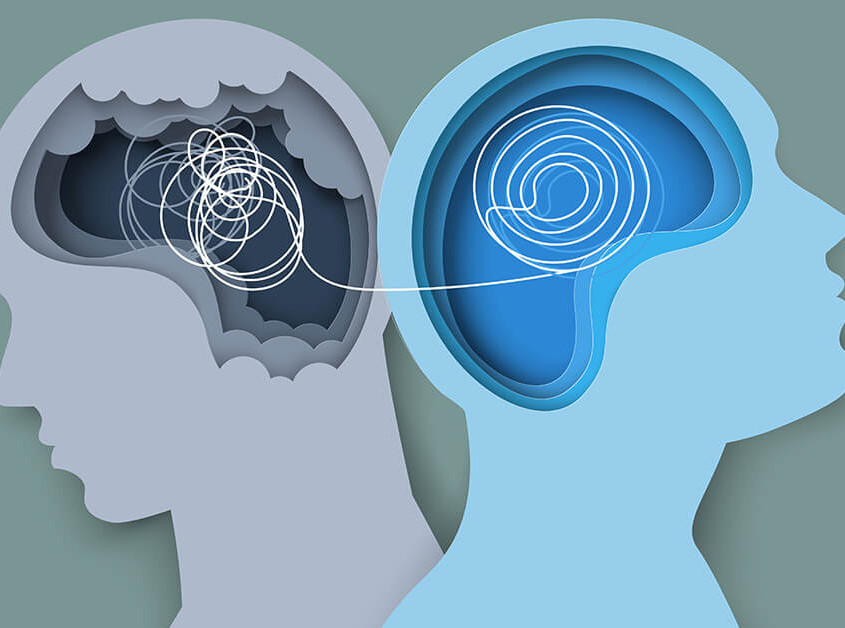
Trauma is not defined solely by the event that happened,  it’s defined by how your mind, body, and nervous system respond afterward. Two people can go through the same experience and have very different emotional and physical reactions. What…
Attachment Trauma Featured Image

Developmental vs. Attachment Trauma: Understanding the Difference and How They Show Up in Our Lives

When many people hear the word trauma, they often think of accidents, disasters, or single overwhelming events. But trauma can also develop quietly and gradually through the relational, emotional, and environmental experiences that shape us…
Four Trauma Responses Featured Image

Understanding the Four Trauma Responses: Fight, Flight, Freeze, and Fawn

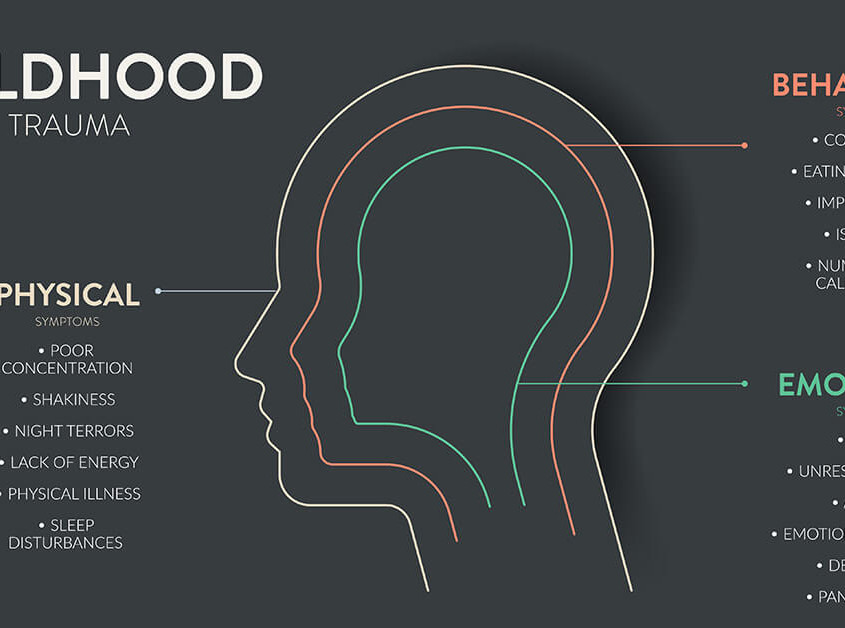
Relational trauma is the kind that happens within the relationships that were supposed to feel safe and leaves a deep imprint on the nervous system. When safety, love, or trust are broken repeatedly, the body adapts. You may notice patterns…
Food Allergies Featured Image

Managing Food Allergy Anxiety: How Therapy Helps You Restore Safety, Confidence, and Control

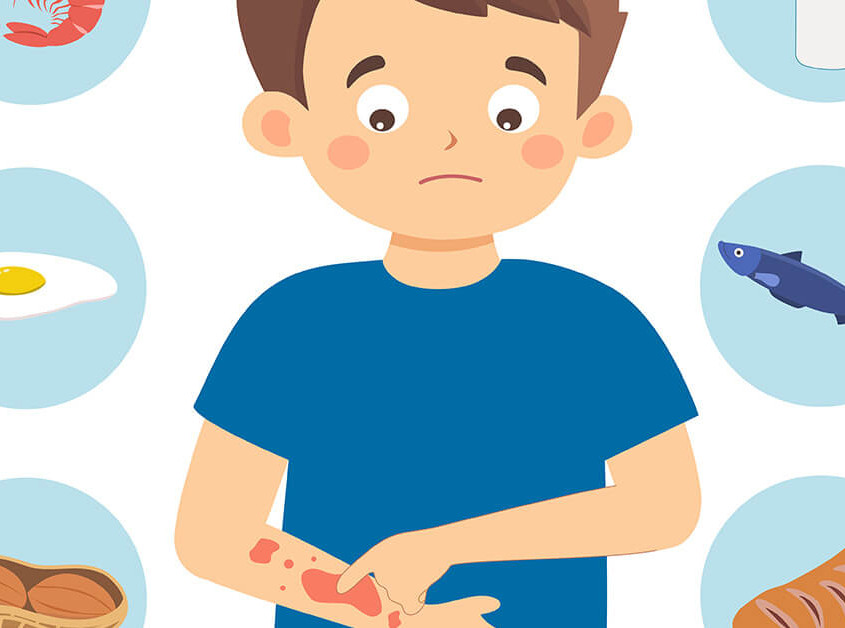
Living with a life-threatening food allergy, whether your own or your child’s creates a level of daily vigilance that most people simply do not understand. Food allergy anxiety is not “just worrying.” It can shape your routines, your sense…
KAPS Setting featured

The Role of Set and Setting in Ketamine Therapy: Why Preparation and Environment Matter

In the world of psychedelic therapy, there’s a phrase you’ll often hear: “set and setting.” These two words hold tremendous weight in shaping how a medicine experience unfolds and they are just as important in ketamine-assisted psychotherapy…
KAPS Healing Stories featured

Ketamine-Assisted Psychotherapy: Stories of Healing

Every person’s journey with ketamine-assisted psychotherapy (KAP) is unique. For some, the medicine provides relief when nothing else has worked. For others, it creates openings for self-understanding, forgiveness, or connection that had long…
KAPS Breaking Misconceptions Featured

Ketamine, Stigma, and Mental Health: Breaking Misconceptions

When many people first hear the word ketamine, they don’t think of therapy. They may think of a “club drug” or a substance misused recreationally. This association can create stigma, making it harder for people to see ketamine as what…
KAPS Popularity featured

Why Ketamine Is Becoming More Popular in Mental Health

In recent years, ketamine has been receiving more attention as an innovative treatment option for people struggling with depression, anxiety, trauma, and other mental health challenges. But why is this medicine, once primarily known as an anesthetic,…
KAPS Integration featured

Ketamine-Assisted Psychotherapy and the Importance of Integration

In recent years, ketamine-assisted psychotherapy (KAP) has become an innovative and powerful tool for people struggling with depression, anxiety, trauma, and other challenges. The medicine itself can open doors to new perspectives, emotions,…
Featured Breathe to Heal

Breathe to Heal: How Breathwork Supports Anxiety, Emotional Release, and Nervous System Regulation

When you’re feeling anxious, overwhelmed, or emotionally stuck, people often say, “Just breathe.” And while that advice can feel overly simplistic in- the moment, there’s a deep truth behind it: your breath is one of the most powerful…
Featured Facing Substance Abuse

Facing Alcohol or Substance Abuse

Facing Alcohol or Substance Abuse? How to Recognize the Signs, Take Steps Toward Change, and Know When to Seek Help Struggling with alcohol or substance use can feel isolating, confusing, and at times, overwhelming. Maybe you’ve started…
Featured Neuroscience Brainspotting

The Neuroscience of Brainspotting: How Brainspotting Helps the Brain Heal

If you’ve ever wondered why some experiences stick with you, showing up in your body as tension, anxiety, or overwhelm long after the event has passed, you’re not alone. Our brains are incredible at protecting us, but sometimes difficult…