
Developmental vs. Attachment Trauma: Understanding the Difference and How They Show Up in Our Lives
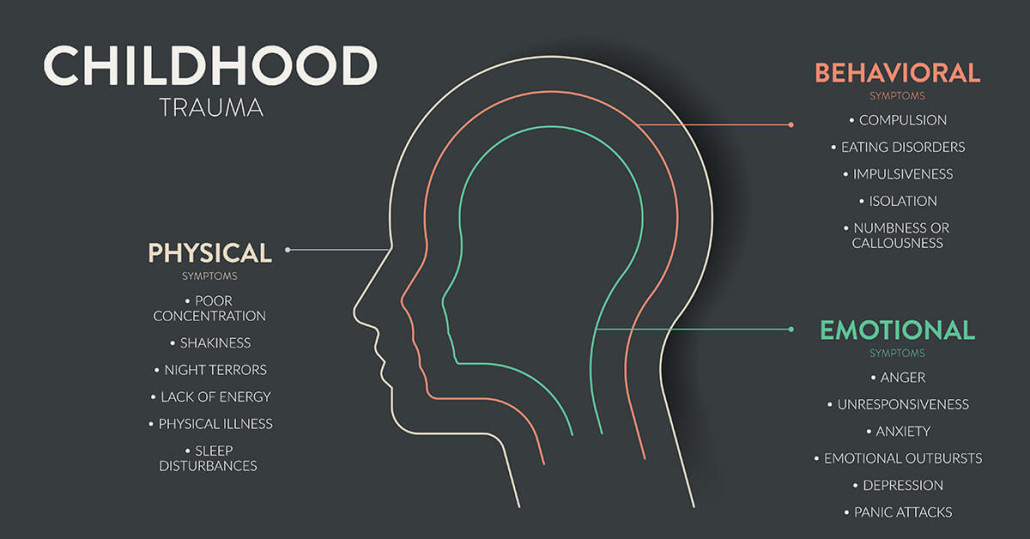
When many people hear the word trauma, they often think of accidents, disasters, or single overwhelming events. But trauma can also develop quietly and gradually through the relational, emotional, and environmental experiences that shape us in childhood.
Two forms of early trauma that often overlap are developmental trauma and attachment trauma. Both can profoundly influence how we regulate emotions, navigate relationships, and experience safety in adulthood. Understanding the difference between them can help you make sense of long-standing patterns that may not have been obvious until now.
What Are Developmental and Attachment Trauma?
Developmental and attachment trauma both occur early in life, often before a child has words to make sense of what’s happening. These forms of trauma do not require overt abuse, they may grow out of emotional misattunement, inconsistency, or environments that felt unsafe or unpredictable.
Even subtle experiences can shape the developing brain and nervous system, leaving long-term imprints on how you think, feel, relate, and see yourself.
What Is Developmental Trauma?
Developmental trauma occurs when a child experiences chronic stress, neglect, or emotional harm during critical stages of growth. These experiences disrupt healthy neurological, emotional, and relational development.
Developmental trauma may include:
- Ongoing emotional neglect
- Exposure to chaos, violence, or instability
- Physical or sexual abuse
- Lack of consistent, attuned caregiving
When safety is uncertain, the developing brain adapts to survive. Patterns such as hypervigilance, perfectionism, emotional shutdown, or self-abandonment become protective strategies and often continue into adulthood, long after the danger has passed.
Signs of developmental trauma may include:
- Chronic anxiety or feeling constantly “on edge”
- Difficulty trusting others or accepting support
- A deep fear of failure, rejection, or inadequacy
- Persistent struggles with identity or self-worth
- Challenges regulating emotions or tolerating stress
- Perfectionism, overworking, burnout, or emotional numbness
Developmental trauma affects not only emotional responses but also learning, attention, nervous system regulation, and overall sense of self.
What Is Attachment Trauma?
Attachment trauma occurs when a child’s primary caregiver is inconsistent, emotionally unavailable, frightening, or unpredictable. Because attachment shapes how we learn to trust, connect, and feel safe with others, disruptions in this system influence relationship patterns later in life.
Attachment trauma may develop when:
- A caregiver is loving at times but rejecting or unavailable at others
- A parent struggles with addiction, mental illness, or chronic stress
- A child experiences early separation or significant loss
- A child is shamed or punished for expressing needs or emotions
Children in these environments often internalize painful beliefs like:
“My needs are a burden,” “I have to earn love,” or “People I depend on will eventually leave.”
Common signs of attachment trauma include:
- Fear of abandonment or rejection
- Clinging, withdrawing, or pushing others away
- Difficulty trusting, depending on, or being vulnerable with others
- Hyper-awareness of others’ moods or reactions
- Feeling “too much,” “not enough,” or hard to love
- Repeating familiar but painful relationship dynamics
Attachment trauma shapes how we connect — or how we protect ourselves from connection.
How These Traumas Show Up in Everyday Life
Developmental and attachment trauma often weave together and appear in subtle, everyday ways, not just during moments of crisis.
You may notice it in:
Relationships
- Feeling anxious, clingy, shut down, or unworthy
- Being drawn to emotionally unavailable partners
- Feeling overwhelmed or unsafe in intimacy
Work & Achievement
- Perfectionism or fear of making mistakes
- Overworking to feel valued, safe, or in control
- Difficulty setting boundaries or saying “no”
Emotional Experience
- Emotional numbness or frequent overwhelm
- Overthinking or constantly scanning for danger
- Difficulty calming your body or mind
Physical Body
- Chronic tension, digestive issues, or fatigue
- Difficulty sleeping
- Unexplained aches or physical symptoms
These patterns are not character flaws — they are survival strategies your body learned to keep you safe.
Healing from Early Trauma
The hopeful truth is that healing is absolutely possible. The nervous system is incredibly adaptable, and with the right support, long-standing patterns can soften and new pathways of safety and connection can develop.
Healing may include:
- Trauma-informed therapy such as Brainspotting, EMDR, somatic therapy, or inner child work
- Rebuilding self-compassion around needs, boundaries, and voice
- Developing secure relationships that model safety and emotional attunement
- Practicing nervous system regulation through grounding, breathwork, mindfulness, or somatic exercises
- Redefining your sense of self, identity, and worth
Healing doesn’t require reliving the past, it involves rewiring your present.
And you don’t have to do it alone. Healing happens through safe connection, not isolation.
Developmental and attachment trauma can quietly shape every part of life, the way you think, feel, love, trust, and understand yourself. But recognizing these patterns isn’t about blame; it’s about clarity and compassion.
Awareness is the first step toward healing.
Healing begins when you decide your past does not have to determine your future.

