
Understanding the Four Trauma Responses: Fight, Flight, Freeze, and Fawn
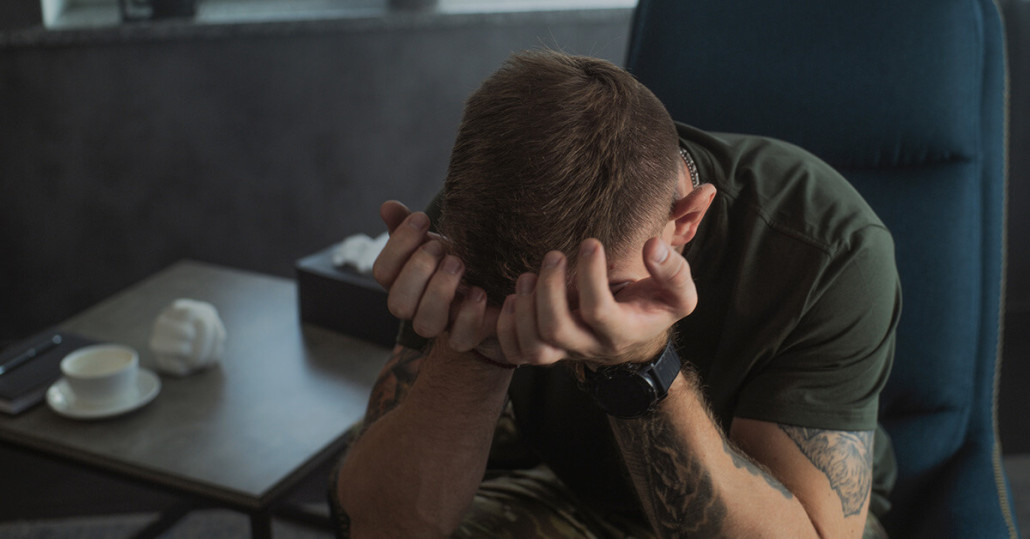
Relational trauma is the kind that happens within the relationships that were supposed to feel safe and leaves a deep imprint on the nervous system. When safety, love, or trust are broken repeatedly, the body adapts. You may notice patterns in how you respond to stress, conflict, closeness, or even emotional intimacy.
Maybe you shut down. Maybe you overexplain or try to keep the peace.
Maybe your body goes into “overdrive,” staying busy or alert to potential rejection.
These reactions aren’t character flaws. They’re trauma responses that are deeply wired survival instincts that once helped you navigate unsafe or unpredictable relationships. Understanding these patterns is a powerful first step in healing. When you can identify how your body responds to threat, you can begin teaching it what safety, connection, and healthy relationship dynamics feel like again.
Below is an overview of the four primary trauma responses, fight, flight, freeze, and fawn and how they often show up in people healing from relational trauma.
1. The Fight Response
Core belief: “If I can take control, I’ll be safe.”
The fight response activates when the nervous system perceives threat and prepares to protect. It’s fueled by adrenaline and creates a surge of energy that once helped you defend yourself or establish safety.
In its healthy form, fight energy allows for assertiveness, boundary-setting, and self-advocacy. But when the fight response is shaped by trauma, it can become overactivated and show up in relationships in ways that feel overwhelming or misunderstood.
Signs of a trauma-based fight response:
- Feeling easily irritated, defensive, or on edge
- Needing to control situations or anticipate problems
- Difficulty admitting vulnerability or asking for help
- A strong inner critic or perfectionistic tendencies
- Struggling to relax or trust others
2. The Flight Response
Core belief: “If I can escape or stay busy, I’ll be safe.”
The flight response urges you to move physically or mentally away from perceived danger. For many trauma survivors, busyness becomes a strategy to avoid emotional pain, conflict, or vulnerability.
In healthy balance, flight energy supports productivity, creativity, and forward movement. But in its trauma-based form, it can look like chronic anxiety or constant over-functioning.
Signs of a trauma-based flight response:
- Feeling anxious, restless, or unable to settle
- Overworking or overscheduling to avoid feelings
- Difficulty slowing down, resting, or being present
- Avoiding emotional closeness or difficult conversations
- Feeling like you must be perfect or productive to be safe
3. The Freeze Response
Core belief: “If I stay still, I’ll be safe.”
When fighting or fleeing doesn’t feel possible, the nervous system may shift into freeze. This can feel like numbness, paralysis, or disconnecting from your own internal experience. Freeze is the body’s way of protecting you when escape wasn’t available.
Short-term freeze can help you stop, assess, and protect yourself. But chronic freeze can leave you feeling stuck or detached from your life and relationships.
Signs of a trauma-based freeze response:
- Feeling numb, spacey, or disconnected from your body
- Difficulty making decisions or taking action
- Dissociation or zoning out during stress
- Chronic fatigue or low motivation
- Wanting connection but feeling unable to reach for it
4. The Fawn (or Collapse) Response
Core belief: “If I can keep others happy, I’ll be safe.”
The fawn response often develops in childhood environments where love, stability, or safety were tied to compliance. When you had to manage others’ emotions to avoid conflict or rejection, you may have learned to people-please as a form of self-protection.
Healthy fawning looks like empathy and cooperation. But trauma-based fawning leads to self-abandonment in relationships.
Signs of a trauma-based fawn response:
- Difficulty saying “no” or setting boundaries
- Over-apologizing, overexplaining, or avoiding conflict
- Prioritizing others’ needs to keep the peace
- Taking responsibility for others’ feelings
- Losing your sense of identity or preferences
How These Responses Interact
Most people don’t have just one trauma response. You might fight in one relationship, freeze in moments of conflict, or fawn when you fear disconnection. These patterns shift depending on what feels safest to your nervous system in that moment.
Understanding this is liberating. These responses were brilliant survival strategies that helped you navigate environments where safety was inconsistent or absent. Now, the work is helping your body learn that the present is different from the past.
Healing from Trauma Responses
Healing relational trauma is a gradual, compassionate process. It begins with awareness and noticing, without judgment, which trauma response is taking over. From there, therapy can help you:
- Regulate your nervous system and reconnect with your body
- Set boundaries without fear of punishment or abandonment
- Build secure, trustworthy relationships at a pace that feels safe
- Reclaim your preferences, voice, and identity
- Recognize what safety feels like internally, not just intellectually
Your trauma responses are not your personality. They are learned adaptations and learned patterns can be unlearned with the right support.
If you recognize yourself in these trauma responses, know this: nothing is wrong with you. Your body adapted to survive conditions it never should have had to endure. Healing means gently retraining your nervous system so it no longer needs to fight, flee, freeze, or fawn in moments that are not dangerous.
You deserve relationships that feel mutual, steady, and nourishing.
With awareness, compassion, and support, healing is absolutely possible.

