
Managing Food Allergy Anxiety: How Therapy Helps You Restore Safety, Confidence, and Control
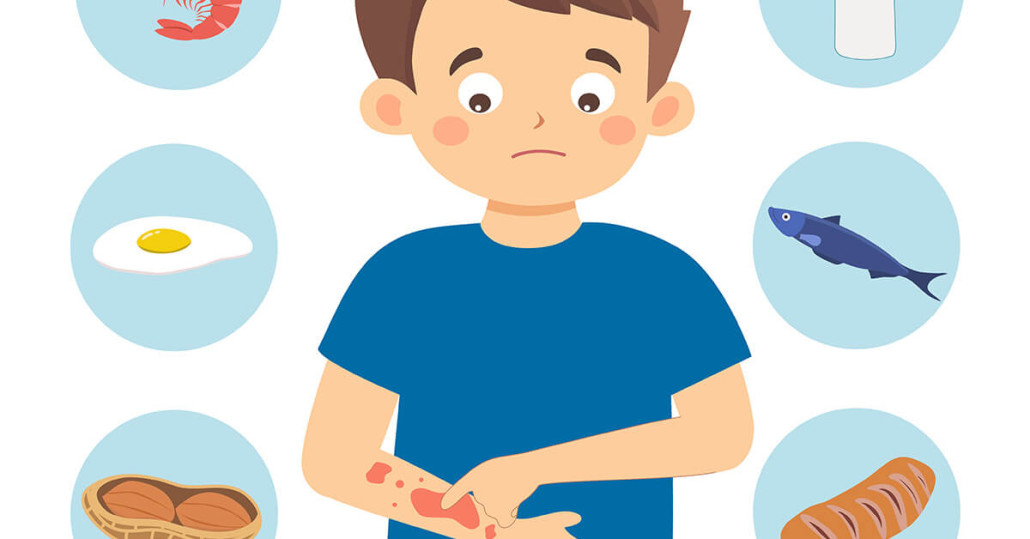
Living with a life-threatening food allergy, whether your own or your child’s creates a level of daily vigilance that most people simply do not understand. Food allergy anxiety is not “just worrying.” It can shape your routines, your sense of safety, your social life, and even your identity as a parent or as a person trying to navigate a world full of unknowns.
If you live with this reality, you already know it’s not simply an “anxious personality.” It’s a rational nervous system response to real medical risk. And yet, the constant state of alert can become emotionally exhausting, limiting, and overwhelming.
As a psychotherapist who works with teens, adults, and families managing severe allergies, my goal is not to talk you out of your fear. My goal is to help you cultivate a sense of grounded confidence, not by ignoring the risks, but by integrating them into a life that feels empowered, intentional, and free from constant dread.
This article explores why food allergy anxiety is unique, how therapy addresses the emotional and physiological layers of fear, and what practical tools can help you feel safer and more capable. This is psychoeducation, not medical advice, and all allergy-related medical decisions should always be made with an allergist or other qualified healthcare provider.
Why Food Allergy Anxiety Is Unique
Most types of anxiety exaggerate or distort risk. Food allergy anxiety does the opposite, it responds to an actual life-threatening condition. If you or your child can experience anaphylaxis, your brain is designed to sound the alarm.
A few key reasons this anxiety is different from generalized anxiety:
- The threat is real and immediate.
Unlike hypothetical worries, a food trigger can appear unexpectedly. The stakes are life-or-death, not imagined.
- The nervous system becomes conditioned to danger.
After a reaction or even a near-miss, the body may store this experience as trauma. You may notice:
- hypervigilance
- scanning environments for risk
- difficulty trusting others with food handling
- intrusive memories of past reactions
- anticipatory anxiety
- Food is unavoidable.
You can’t simply avoid the source of fear eating happens multiple times a day. That means your anxiety can be activated repeatedly, even in “safe” environments.
- The responsibility can feel enormous.
Parents managing a child’s allergy carry the weight of constant protection. Teens and adults navigating their own allergies may feel isolated or misunderstood.
When we acknowledge that this anxiety is rooted in biological survival mechanisms, we create room for compassion and effective treatment. The goal isn’t to eliminate fear—it’s to right-size it.
A Therapy Approach Tailored to Food Allergy Anxiety
In my practice, I use a multi-layered approach that integrates relational safety, cognitive tools, trauma-informed work, and practical planning.
- Person-Centered, Empathic Support
You are the expert on your body, your child, and your lived experience. Therapy begins with:
- deep listening
- validation of the real risks you manage
- understanding the emotional load you carry
- space to speak your unfiltered fears
Many clients tell me they’ve never said their worst fears aloud because they’re afraid of being dismissed or judged. Therapy becomes a place where every part of your experience is welcome.
- Cognitive Behavioral Therapy (CBT) for Accurate Thinking
CBT is not about “stopping the worry” or pretending everything is safe. It’s about developing accurate thinking, distinguishing possible from probable, and challenging catastrophic thought spirals.
We might work on:
- Reframing all-or-nothing thinking
Instead of “Every restaurant is dangerous,” we explore:
“Some environments have a higher risk. How do I assess, plan, and choose intentionally?”
- Reducing avoidance
Avoidance temporarily lowers anxiety but strengthens fear long-term. CBT helps you gradually re-engage with situations you’ve been avoiding, using tools that support safety and confidence.
- Building mental flexibility
You learn to step back from catastrophic thoughts and choose responses based on facts, not fear.
- Practical Planning Enhances Emotional Safety
Anxiety thrives in the unknown. Therapy integrates practical skills that reinforce both emotional and logistical readiness.
Emergency readiness
With your allergist, you create and practice:
- a written action plan
- when and how to use epinephrine
- when to call 911
- how to recognize early symptoms
Knowing your medical plan is up-to-date reduces uncertainty.
Communication skills
We build scripts that help you:
- communicate dietary needs in restaurants
- talk with teachers, coaches, or employers
- set boundaries with family and friends
- delegate responsibilities when appropriate
Clear communication reduces misunderstandings and helps others support your safety.
Creating predictable routines
Predictability helps your nervous system feel more stable. We can develop:
- systems for food prep
- safety routines for school or work
- checklists for travel or social events
These become confidence-building habits, not fear-driven compulsions.
- Brainspotting for Trauma and Nervous System Regulation
Many people with severe allergies have experienced a frightening reaction at some point. Even witnessing a child struggling to breathe can imprint deeply on the nervous system.
Brainspotting can help process:
- panic from a past anaphylactic episode
- fear stored in the body
- the visceral memory of swelling, choking, or being rushed to emergency care
- the helplessness or terror experienced during a medical emergency
This method accesses the subcortical brain—the part responsible for fight, flight, freeze, and shutdown. You do not have to retell the traumatic event in detail. Instead, we locate a “brainspot” connected to the emotional activation and allow the nervous system to release and reorganize.
Clients often describe:
- reduced physical reactivity
- greater calm in previously triggering situations
- a renewed sense of safety
- fewer intrusive memories
Trauma work helps the alarm system stop firing when no immediate threat is present.
- Reclaiming Your Identity Beyond Anxiety
Food allergies shape your life, but they do not define your entire story.
Therapy helps you move from:
- fear → consistent readiness
- avoidance → empowered decision-making
- hypervigilance → healthy awareness
- overwhelm → grounded confidence
You can live a joyful, connected life even while managing a serious medical condition. Your nervous system can learn safety again. Your world can expand. Your child can thrive.
This work does not remove the allergy—it restores your freedom.
When to Consider Therapy for Food Allergy Anxiety
Therapy may help if you or your child experience:
- constant fear of accidental exposure
- difficulty trusting others to handle food
- panic attacks related to eating or social events
- avoidance of restaurants, travel, or celebrations
- guilt or overwhelm as a parent managing allergies
- intrusive memories or flashbacks from past reactions
- difficulty sleeping due to fear of nighttime reactions
- tension in relationships due to allergy management
If these patterns are affecting daily functioning, relationships, or quality of life, you do not have to navigate this alone.
You Are Not Your Anxiety
Your vigilance has kept you—or your child—safe. Your fear has been a protector. Therapy helps you thank that part of you and then gently shift it into a healthier role, one where it supports you instead of controlling you.
With the right tools and support, you can build a life that honors the reality of food allergies without being ruled by fear.
If you’re ready to feel more grounded, confident, and supported, I’m here to help you create a tailored path toward emotional safety and resilience.

